
Our Work
From crisis to stability. From stability to independence. Vulnerability rarely exists in isolation. A family crisis may interrupt education. Financial hardship may increase protection risks. Loss of stable care may affect emotional wellbeing. A young person leaving residential care may face difficulties securing accommodation, employment or further education. Our programmes respond to these interconnected realities, working across four areas because meaningful change often requires several forms of support working together.
How We Work
We Listen Before We Act
Individual and community perspectives inform our understanding of needs.
We Protect Dignity
People are never reduced to their vulnerabilities or circumstances.
We Strengthen Agency
Individuals should participate meaningfully in decisions affecting their lives.
We Work Towards Independence
Support should build capability and opportunity rather than permanent reliance.
We Learn and Adapt
Our programmes must respond to evidence, experience and changing realities.
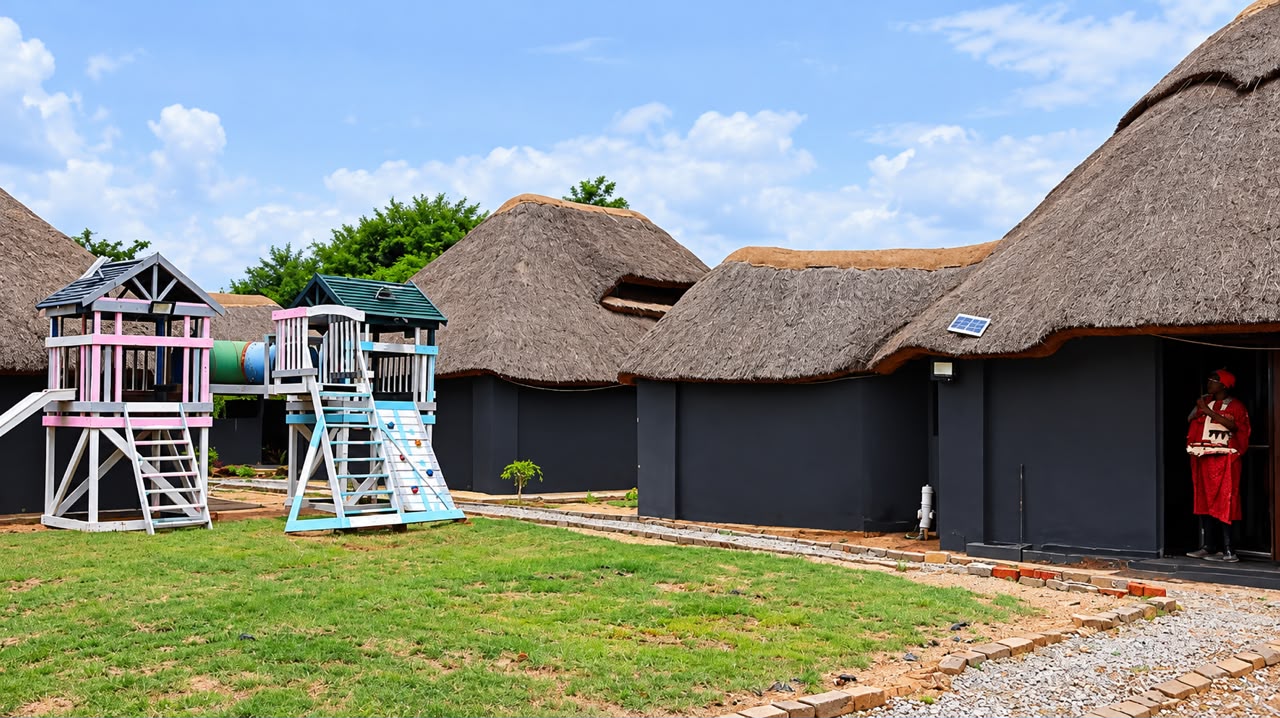
Beyond the residential programme
Shayanewako also houses three displaced women living with HIV who have no traceable family and no alternative accommodation. For this group, consistent water access and functional sanitation are clinical necessities, not amenities. This is a key reason infrastructure support matters as much as direct care.
Twelve of the 28 children currently in direct care hold Higherlife Foundation scholarships, which cover school fees only. Every other cost, accommodation, food, clothing, transport, medical care, is met from the founder's own resources, as it has been for twenty-five years.
1. Protection, Shelter & Wellbeing
Safety is where recovery begins.
Shayanewako provides protection, temporary and transitional shelter, and practical support to children, young people and women experiencing crisis or vulnerability. Our approach recognises that each person arrives with a different history, different needs and different aspirations.
Support may include safe accommodation, essential care, counselling, psychosocial support, access to appropriate services, family strengthening and preparation for safe transitions. Where appropriate and in the best interests of the individual, we support safe family relationships and reintegration.
Our priority is to create environments where people feel respected, protected and able to regain stability. Our goal is not simply to provide shelter, but to help create the conditions in which healing and rebuilding can begin.
2. Education & Skills Development
Every future deserves a chance.
Education is one of the most important pathways from vulnerability towards opportunity. Shayanewako supports children and young people to remain engaged in learning and, where possible, progress through school, vocational training and tertiary education.
We recognise that young people preparing to leave care may need additional support to navigate the transition into adulthood. Our work therefore includes educational support, mentorship, practical skills, career guidance, life preparation and pathways towards independent living.
Fourteen young people supported through Shayanewako have graduated from university, and 12 are currently pursuing university education. Their achievements reflect what becomes possible when care is accompanied by opportunity, encouragement and sustained investment. We believe that where a young person begins should never determine where they can go.
3. Livelihoods & Economic Empowerment
Beyond survival.
Economic insecurity can make recovery from crisis difficult and leave individuals and families vulnerable to repeated hardship. Our livelihoods work seeks to strengthen practical skills, productive opportunities and pathways towards economic independence, recognising people's existing abilities while creating opportunities to develop new ones.
Agriculture is also an important part of our organisational sustainability journey. Through food production and the development of productive livelihood activities, we aim to improve food security, build skills and strengthen the organisation's capacity to sustain its programmes over time.
Independence is more than the absence of need. It is also the presence of meaningful choices and opportunities.
4. Community Outreach & Resilience
Stronger families. Stronger communities.
Not every crisis requires residential care. Sometimes the most meaningful intervention is helping a family access support before its circumstances deteriorate.
Our community-based work seeks to strengthen families, support young people, promote awareness and build connections to appropriate services. We engage with community members, caregivers and local stakeholders to better understand emerging vulnerabilities and identify practical responses.
Youth engagement, including sport, creates opportunities for positive relationships, mentorship and conversations about healthy choices, responsibility and wellbeing.
Our approach recognises that communities are not simply places where challenges exist. They are also places where knowledge, relationships and solutions already live.